
Locating Mispriced Odds in UFC Preliminary Matchups
Early in my betting career, I treated every UFC card like a buffet — loading my plate with bets on eight or nine fights because I had an opinion on each one. My opinion, it turned out, was worth exactly nothing on most of those fights. My win rate hovered around 48%, which sounds close to break-even until you account for the bookmaker’s margin turning every session into a slow bleed. The turning point came when I started analysing the card itself as a structure rather than just the individual matchups — and discovered that the position of a fight on the card tells you something about where the sportsbook’s pricing is strongest and weakest.
The UFC now hosts between 180 and 200 major MMA events globally each year, a dramatic increase from the 100-110 of just a few years ago. That expansion has stretched the talent pool, created more mismatches on the undercard, and widened the pricing gaps between well-covered main-card fights and the less-scrutinised bouts that open each event. For a bettor willing to do the work on the full card, this expansion is an opportunity.
Understanding UFC Card Structure: Numbered Events vs Fight Nights
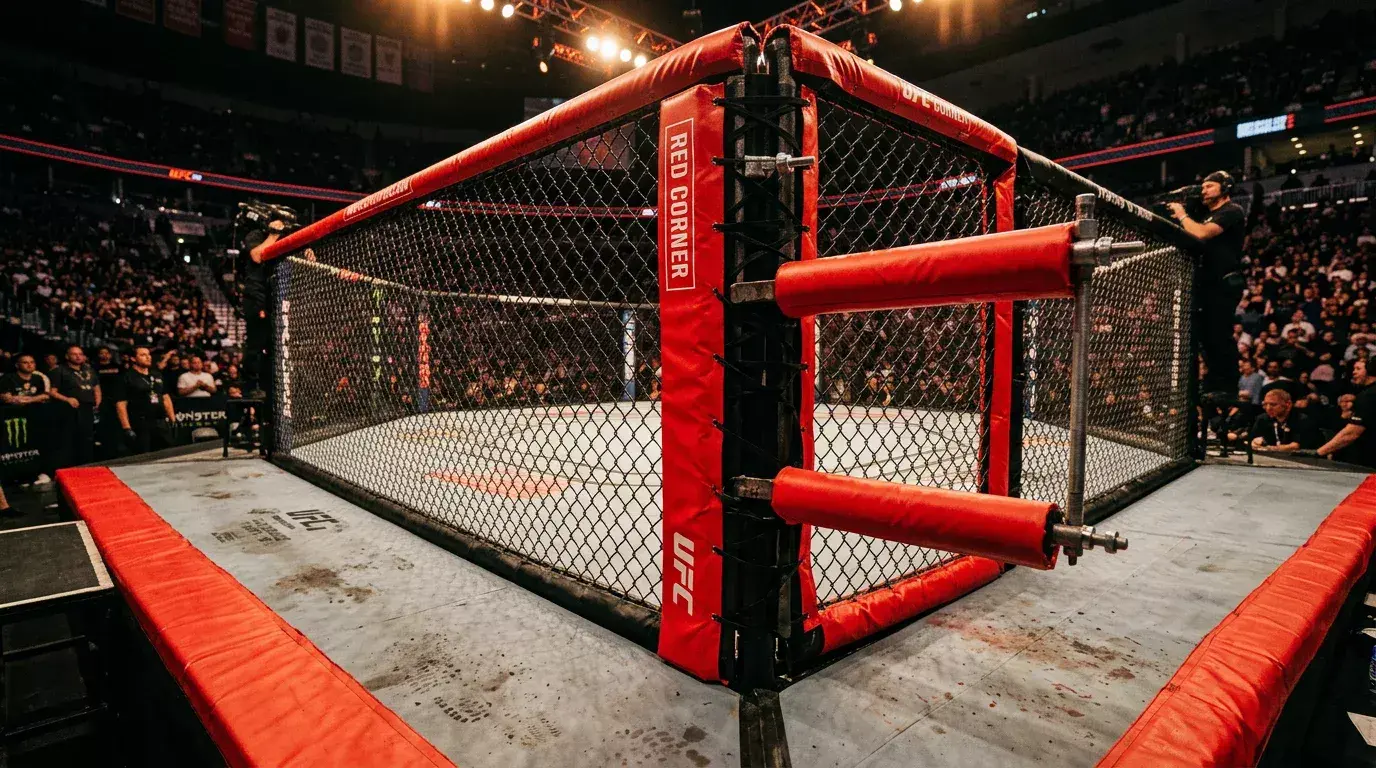
The UFC runs two main event formats, and the structure affects betting strategy. Numbered events — UFC 300, UFC 310, and so on — are the premium product. They feature twelve to fourteen fights split across early prelims, prelims, and the main card. The main card typically holds five fights anchored by a title bout or a marquee matchup. These events draw the most public attention, the most betting volume, and consequently the sharpest lines from sportsbooks.
Fight Night events are the midweek and weekend shows that fill the calendar between numbered events. They usually feature ten to twelve fights, often with a thinner talent gap between the top and bottom of the card. The headliners are typically ranked fighters but rarely champions, and the prelim fighters are a mix of rising prospects, journeymen, and regional circuit graduates getting their first UFC exposure.
From a betting perspective, Fight Night cards are generally more fertile ground than numbered events. The reduced public attention means less recreational money flowing into the markets, which gives sportsbooks less incentive to sharpen their prices. The fighters on Fight Night prelims are less well-known, which means the pricing models sportsbooks use have less data to work with and produce wider margins of error. I consistently find more value on a mid-tier Fight Night card than on a stacked numbered event where every fight has been analysed to exhaustion by the public and the sharps alike.
Why Prelims Often Offer Better Odds Than Main Card Fights
MMA is notoriously difficult for sportsbooks to handicap accurately. The sport’s individual nature, small sample sizes, and the sheer range of possible outcomes in any given fight create pricing uncertainty that team sports do not have. That uncertainty is largest in the fights where the sportsbook has the least information to work with — and those fights live on the prelims.
Main-card fighters have deep statistical profiles: dozens of UFC bouts, well-documented strengths and weaknesses, stable camp affiliations, and extensive media coverage. Sportsbooks can price these fights with relative precision because the data inputs are robust. A main-card favourite at 1.45 is usually priced correctly to within a percentage point or two of the true probability.
Prelim fighters, especially those making their UFC debut or competing in their second or third bout, have much thinner profiles. Their regional-circuit records may include opponents the sportsbook’s model has never heard of. Their stylistic tendencies may not be well understood because only a handful of their fights are on video. Their training camp quality is harder to assess because they may train at smaller, less-visible gyms. All of this uncertainty translates into wider margins in the odds, and wider margins mean more room for a bettor with superior information to find value.
I spend roughly equal time analysing prelim and main-card fights, but I place a disproportionate number of my bets on the prelims and early prelims. The work is harder — tracking down regional fight footage, piecing together training backgrounds, evaluating opponents whose names I have never encountered — but the payoff in terms of mispriced odds is consistently higher. This is where an underdog betting strategy can thrive, because the public barely watches prelim fights and the lines reflect that inattention.
A Systematic Approach to Analysing a Full UFC Card
My card analysis process follows a specific order designed to allocate time where it is most likely to produce actionable bets. I start with the prelims, not the main card. This feels counterintuitive — the main event is the most important fight on the card — but I want my freshest analytical energy applied to the fights where mispricing is most likely.
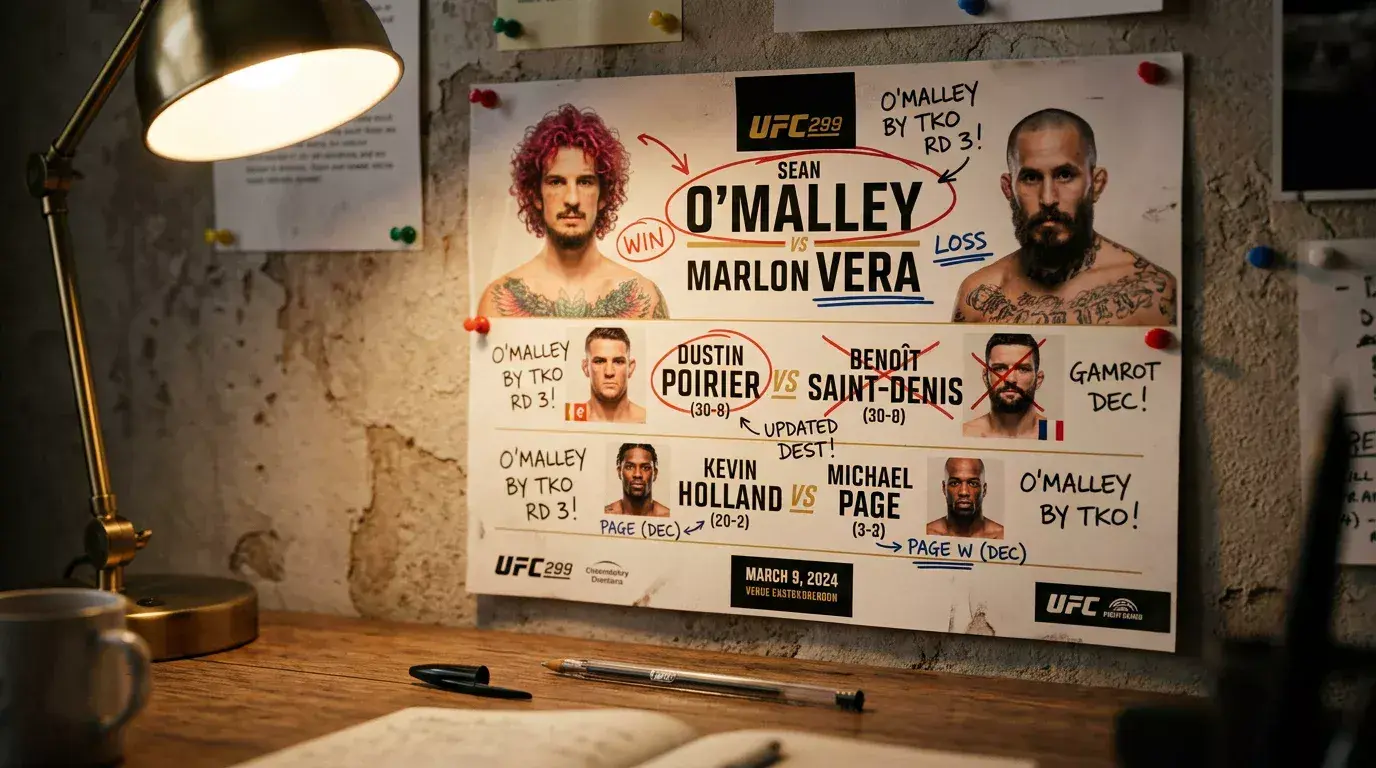
For each fight, I build a brief profile: each fighter’s record, last three fight outcomes, primary style (striker, grappler, wrestler), age, finish rate, and any notable factors like a recent layoff, a gym change, or a weight-class move. This takes about ten minutes per fight and produces a first-pass probability estimate. Fights where my estimate diverges from the market odds by fewer than three percentage points get set aside — the edge is not large enough to overcome the margin. Fights with a divergence of five or more percentage points go onto a shortlist for deeper analysis.
The deeper analysis is where the time investment pays off. For shortlisted fights, I watch full bouts from both fighters’ last two or three outings, paying attention to how they responded under pressure, how their cardio held in later rounds, and whether their striking or grappling has improved or declined. I cross-reference the matchup with historical base rates — roughly 44% of UFC bouts end by decision, 35% by KO/TKO, and 21% by submission — and adjust based on the specific weight class and stylistic interaction.
By the end of this process, I typically have three to five bets per card that meet my threshold for edge. On some cards, I have one. On rare occasions, I have none and sit the event out entirely. The discipline to pass on a card where the analysis does not support a bet is one of the hardest skills to develop and one of the most valuable. Every bet you do not place when the edge is absent protects the bankroll for the bets where the edge is present.
The Card Is the Canvas
Treating a UFC card as a structured hierarchy rather than a flat list of fights changes how you allocate your analytical effort and your bankroll. The main card gets the attention, the prelims get the mispricing, and the bettor who understands this asymmetry can systematically exploit it. Stop betting the full card. Start analysing the full card, and bet only the fights where your analysis produces a clear and defensible edge.